
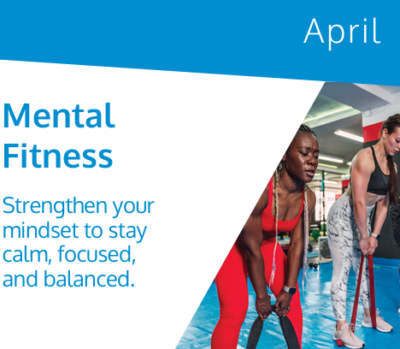
Strengthening Your Mindset to Stay Calm, Focused and Balanced
When we think about fitness, we often picture weights, workouts and step counts. But just like physical strength, mental fitness is something you can train, and it’s just as essential for performing well at work, enjoying relationships, and navigating everyday stress. Mental fitness is the ability to stay calm under pressure, focused on what matters, and emotionally balanced when life throws curveballs. The good news? Small, consistent habits can make a powerful difference.
Why mental fitness matters
A strong mindset helps you respond rather than react. It improves concentration, supports better decision-making, and protects against burnout. Research consistently shows that people who actively practise mental fitness experience lower stress levels, improved mood, better sleep, and greater resilience. In short, mental fitness helps you show up as your best self not just when things are going well, but especially when they’re not.
1. Train your attention, not your stress
One of the biggest drains on mental energy is constant distraction. Multitasking, notifications and information overload fragment your focus and heighten anxiety. Try this:
· Start your day with one clear priority. Ask: What’s the one thing that would make today feel successful?
· Work in focused blocks of 25–45 minutes, then take a short break.
· Silence non-essential notifications during deep work.
Attention is a muscle — the more deliberately you train it, the stronger it becomes.
2. Use movement to regulate your mind
Physical activity is one of the fastest ways to improve mental state. Exercise reduces stress hormones like cortisol while boosting mood-enhancing chemicals such as endorphins and serotonin. Easy wins:
· Go for a brisk walk when you feel overwhelmed even 10 minutes helps.
· Choose workouts you enjoy; consistency beats intensity.
· Try mindful movement (yoga, Pilates, swimming) to calm a busy mind.
With Fitness Passport access, variety becomes your secret weapon, changing environments and movement styles keeps both mind and body engaged.
3. Build emotional awareness
Mental fitness isn’t about suppressing emotions; it’s about understanding them. When you can name what you’re feeling, you reduce its power over you. Try this simple check-in:
· Pause and ask: What am I feeling right now and why?
· Label emotions accurately (e.g. “frustrated” instead of just “stressed”).
· Respond with intention rather than impulse.
This practice strengthens emotional regulation and improves resilience over time.
4. Reframe unhelpful thinking
Your thoughts shape your experience. Negative thinking patterns, like catastrophising or perfectionism, drain mental energy and increase stress. Mental reset tips:
· Challenge all-or-nothing thinking: Is this really as bad as it seems?
· Replace “I have to” with “I choose to.”
· Focus on what’s within your control, not what isn’t.
Reframing isn’t about forced positivity; it’s about realistic optimism.
5. Protect recovery time
Mental fitness requires recovery, just like muscles do. Without rest, even the strongest mindset will fatigue. Protect your downtime by:
· Setting clear work-life boundaries
· Getting consistent, quality sleep
· Scheduling guilt-free rest and social connection
Rest isn’t a reward, it’s part of the training plan.
6. Create micro-habits that stick
You don’t need an hour-long routine to build mental fitness. Small actions done consistently create lasting change. Start with one:
· Three slow breaths before opening your inbox
· A short gratitude note at the end of the day
· A weekly “reset walk” to reflect and decompress
Mental fitness grows through repetition, not perfection.
Mental fitness is trainable, practical, and powerful. With intentional habits, regular movement, and moments of recovery, you can strengthen your mindset to stay calm, focused and balanced, no matter what life throws your way.